


Trouble Sleeping
Most sleep experts agree that a dark bedroom is one of the most effective ways to improve sleep quality. Darkness signals the brain to produce melatonin, lowers arousal levels, and helps the body enter deeper, more restorative sleep.
However, there is a catch.
If you sleep in complete darkness, no windows, blackout curtains, or a room that stays dark until you turn on the lights, you may notice the problem, you sleep well, but waking up feels unusually difficult.
It’s not just you, and it’s not just a feeling. There is well-established science behind it.
Why Total Darkness Improves Sleep Quality
Darkness helps your body transition fully into nighttime mode. When the environment is completely dark:
- Melatonin production increases
- You fall asleep more quickly
- You stay asleep longer
- You reach deeper sleep stages
- Your nervous system remains calmer
This is why sleep professionals often recommend blackout curtains for people struggling with fragmented or shallow sleep.
But the same darkness that improves your sleep can make mornings significantly harder.
Why Waking Up in Darkness Makes You Feel Groggy
Your circadian rhythm, which is your internal biological clock, depends heavily on light exposure. Light is the primary signal that tells your brain it is time to wake up.
When you wake up in total darkness, several things happen:
1. Melatonin Levels Remain Elevated
Your brain still thinks it is nighttime, which prolongs sleepiness.
2. Morning Cortisol Stays Low
Cortisol, despite its reputation, is essential in the morning to generate alertness and energy. Without light, cortisol rises more slowly.
3. You Experience More Sleep Inertia
Sleep inertia is the heavy, foggy, slow feeling after waking. Darkness delays the brain’s shift into wakefulness.
4. Your Body Has No External Anchor
Without light cues, the brain can lose track of time. This has been shown in studies where participants live without access to daylight; their sleep-wake cycles drift, and they wake up confused about the time of day.
Light is the trigger your body needs to transition out of sleep.
The Solution: Add Morning Light Back Into Your Routine
Sleeping in darkness is beneficial. Waking in darkness is not.
The key is to introduce light gradually before or at your wake-up time.
Common Solutions Include:
1. Sunrise Alarm Clocks
These devices slowly brighten the room to mimic a natural sunrise.
2. Smart Lights on a Schedule
Smart bulbs can be programmed to increase brightness gradually before you wake.
3. Automated Shades
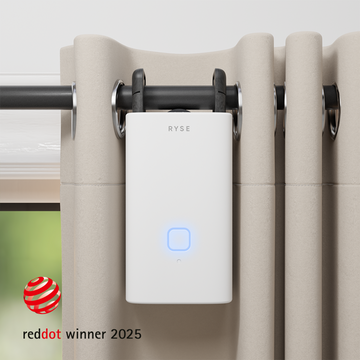
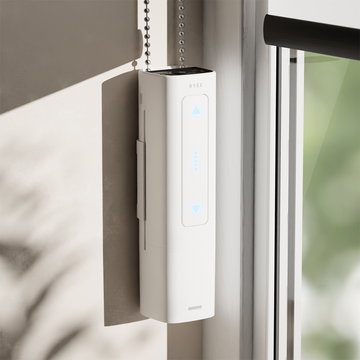
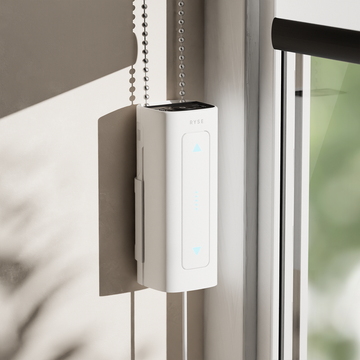
If your room gets natural light, automated shades are one of the most effective options.
4. Why Automated Shades Are Particularly Effective
Automated shades help bridge the gap between a dark sleep environment and a healthy wake-up routine.
5. Natural Light Exposure
Shades can be programmed to open gradually 15–30 minutes before you wake. Morning sunlight is one of the strongest signals to suppress melatonin and increase alertness.
6. Supports Circadian Alignment
Natural daylight in the morning stabilizes your internal clock, improves mood, and increases daytime energy levels.
7. Stronger Impact than Artificial Light
Research shows that morning daylight has a more powerful circadian effect than most indoor lighting.
8. Additional Benefits
Automated shades also offer convenience, privacy, energy efficiency, and integration with smart home routines, making them practical beyond just sleep hygiene.
The Ideal Combination: Dark Nights and Bright Mornings
For optimal sleep and wakefulness:
Keep the room completely dark at night to improve sleep quality.
- Add natural or artificial light in the morning to help your body wake up smoothly.
- Use timed or gradual lighting solutions to ease the transition from sleep to wakefulness.
This combination leads to deeper rest, easier mornings, improved energy, and a more consistent circadian rhythm.
The Darkness to Morning Light: Summary
|
Stage |
Environment / Action |
What Happens in the Body |
Effect on Sleep / Wakefulness |
|
1. Nighttime Setup |
Room becomes completely dark (blackout shades, no screens, no ambient light) |
Melatonin begins rising; nervous system slows; circadian clock shifts to “night mode” |
Helps you fall asleep faster and enter deeper stages of sleep |
|
2. Deep Night / Full Darkness |
Continuous darkness throughout the night |
High melatonin; stable, uninterrupted sleep cycles |
Highest sleep quality; improved recovery, memory, and mood |
|
3. Early Morning (Still Dark) |
The room stays fully dark because no sunlight enters |
Melatonin remains elevated; cortisol remains low |
Body still thinks it’s nighttime → harder to wake |
|
4. Wake-Up Time in Total Darkness |
Alarm goes off but the environment is still dark |
Sleep inertia increases; brain struggles to shift into wakefulness |
You feel groggy, heavy, sluggish, disoriented |
|
5. No Light Cue |
No natural sunlight or bright artificial light immediately after waking |
Circadian rhythm has no external signal to transition to morning mode |
Prolonged grogginess, slower mental clarity, reduced energy |
|
6. Introducing Morning Light (Solution) |
Automated shades open / sunrise lamp turns on |
Melatonin rapidly drops; cortisol rises; alertness increases |
Smooth, natural wake-up with less grogginess |
|
7. Full Morning Light Exposure |
Open shades fully or step outside |
Strong circadian alignment signal |
Boosts energy, mood, and regulates sleep timing for the next night |


